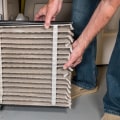
Most homeowners never question whether their furnace uses a standard filter size — until the day they go to replace it and realize nothing on the shelf quite fits. If your system calls for a 12x26.5x4 air filter, that half-inch dimension on the second measurement is not a misprint. It is an exact specification, and getting it wrong results in bypassed air, reduced filtration, and a furnace operating harder than it should.
In our experience helping customers match filters to their systems, the 12x26.5x4 is one of those sizes that trips people up. The 4-inch depth is a clear signal that this system was designed for high-capacity, extended-life filtration — not a thin 1-inch filter you swap out monthly. Understanding why your furnace requires 12x26.5x4 air filters and how to choose the right MERV rating, is one of the most practical things you can do to protect your home's air quality and your equipment's lifespan.
TL;DR Quick Answers
Do Furnace Systems Actually Require 12x26.5x4 Air Filters?
Yes — if your furnace or air handler was designed around this size, using a different filter creates a poor fit that allows unfiltered air to bypass the media entirely.
Key answers at a glance:
The nominal size is 12x26.5x4; actual dimensions are typically 12.00" x 26.50" x 3.63"
The 4-inch depth makes this a high-capacity filter with a longer replacement cycle (every 90 days is standard)
Compatible with furnaces, air conditioners, and heat pumps that accept this slot size
MERV ratings of 8, 11, and 13 are the most common options for residential use
A well-fitted filter protects both indoor air quality and HVAC system efficiency
Top Takeaways
Size precision matters. The 12x26.5x4 is a specific nominal size with an actual dimension of 12.00" x 26.50" x 3.63" — substitutions create air gaps and reduce filtration.
The 4-inch depth is a design requirement, not an upgrade option. Your furnace was built to work with that filter depth.
Replace every 90 days for optimal performance, or more frequently in homes with pets, heavy foot traffic, or allergy sufferers.
MERV 8 to MERV 13 covers most residential needs. The EPA recommends at least MERV 13 for improved air quality.
A well-fitted filter protects more than your lungs. It also protects your blower motor, heat exchanger, and coils from dust buildup that degrades performance over time.
What Makes the 12x26.5x4 Size Unique?
It Is a Specific Nominal Dimension — Not a Universal Fit
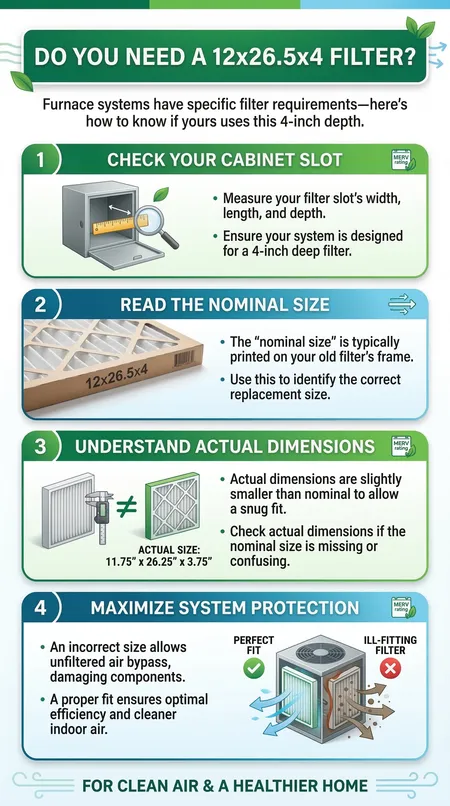
The dimensions printed on an air filter frame are nominal, meaning they are rounded for easy identification. The actual size of a 12x26.5x4 filter is 12.00" x 26.50" x 3.63". This slight difference between nominal and actual dimensions is intentional — it allows the filter to slide cleanly into its slot without being too loose or too tight.
If you install a filter with even slightly different dimensions, you risk:
Air gaps around the frame that allow dust and allergens to pass unfiltered
Reduced airflow from a filter that does not seat properly
Premature wear on your blower motor from an oversized filter forcing resistance
Why the 4-Inch Depth Matters
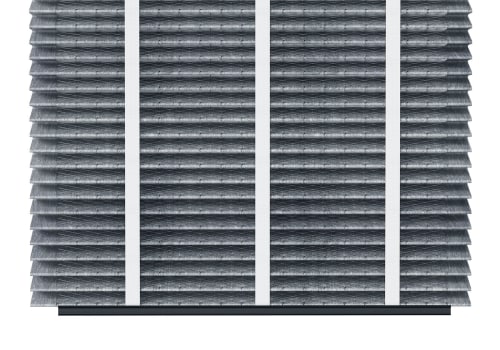
A 4-inch deep filter holds significantly more filter media than a 1-inch filter. That additional surface area means:
More particles are captured before the filter needs replacing
Lower pressure drop per unit of filtration, which is easier on your system's fan
Longer service intervals — typically every 90 days for most households
Better performance at higher MERV ratings without restricting airflow
This is why systems designed for 4-inch filters should never be swapped for thinner options. Your HVAC equipment was engineered around that depth.
Choosing the Right MERV Rating for Your 12x26.5x4 Filter
Understanding MERV Ratings
MERV stands for Minimum Efficiency Reporting Value. It is the industry-standard measure — developed by ASHRAE — for how effectively a filter captures airborne particles of different sizes. The scale runs from 1 to 20.
For residential furnace systems, the most practical MERV options are:
MERV 8 — Captures 90%+ of dust, pollen, lint, and mold spores. A solid baseline for most homes.
MERV 11 — Captures 95%+ of particles, including pet dander and finer allergens. Recommended for homes with pets.
MERV 13 — Captures 98%+ of particles, including bacteria, smoke, and fine debris. The EPA recommends at least MERV 13 for homeowners looking to upgrade air quality.
Higher Is Not Always Better
A very high MERV rating creates greater resistance to airflow. If your furnace was not designed to handle that resistance, it can strain the motor and reduce efficiency. In our experience, MERV 11 or MERV 13 is the sweet spot for most residential systems using a 4-inch filter — the deeper media compensates for the additional resistance that would be problematic in a 1-inch filter.
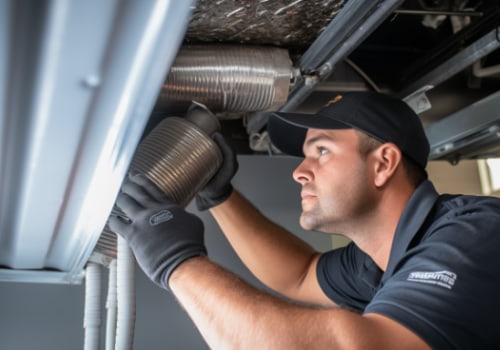
Always check your system's documentation or consult a technician before jumping to MERV 16 or higher.
How to Confirm Your System Uses This Filter Size
Finding the right filter size is straightforward:
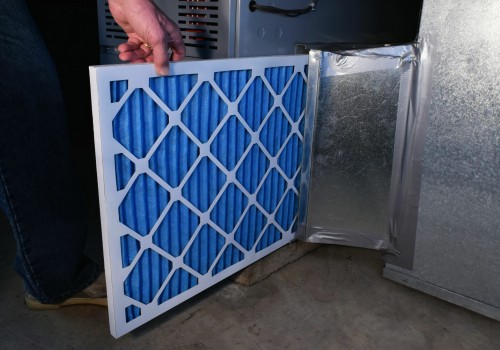
Check your current filter — the nominal size is printed on the cardboard frame
Measure the filter slot — use a tape measure to record width x length x depth, then round up to the nearest half inch
Consult your equipment manual — furnace and air handler manuals list compatible filter dimensions
Look at your HVAC cabinet — many units have the filter size printed on a label near the filter access door
If the current filter in your system has warped or collapsed, note the slot dimensions directly. A warped filter is a sign it has been in place too long — and a reminder that the 90-day replacement cycle is there for a reason.
"After working with thousands of homeowners on filter selection, the most common mistake we see is choosing the wrong depth — especially when a system clearly calls for a 4-inch filter. The deeper media is not a premium upgrade; it is what the equipment was built around. Using a thin filter in a 4-inch slot is like leaving two-thirds of the slot open to unfiltered air."
Essential Resources on "12x26.5x4 Air Filters"
1. What Is a MERV Rating? — U.S. EPA
The EPA's concise overview of the MERV scale including guidance on selecting the right rating for your system and when to consult a technician before upgrading.
2. Introduction to Indoor Air Quality — U.S. EPA
A foundational resource explaining how indoor pollution forms, how it accumulates, and how HVAC filtration fits into a broader strategy for healthier indoor air.
https://www.epa.gov/indoor-air-quality-iaq/introduction-indoor-air-quality
3. Indoor Pollutants and Sources — U.S. EPA
A detailed breakdown of the most common indoor air pollutants by category — biological, chemical, and combustion-based — relevant to choosing the right filter MERV level.
https://www.epa.gov/indoor-air-quality-iaq/indoor-pollutants-and-sources
4. The Inside Story: A Guide to Indoor Air Quality — U.S. EPA
One of EPA's most comprehensive homeowner guides, covering source control, ventilation, and air cleaning strategies including filtration recommendations.
https://www.epa.gov/indoor-air-quality-iaq/inside-story-guide-indoor-air-quality
5. Filtration and Disinfection FAQ — ASHRAE
ASHRAE's technical guidance on filter selection, MERV ratings, and the importance of proper filter fit in residential and commercial HVAC systems.
https://www.ashrae.org/technical-resources/filtration-and-disinfection-faq
6. HVAC Systems — U.S. Department of Energy
The DOE's homeowner resource on heating, cooling, and ventilation systems — including how filters affect system efficiency and energy consumption.
https://www.energy.gov/energysaver/hvac
Supporting Statistics
1. Americans spend roughly 90% of their time indoors, where concentrations of some pollutants are 2 to 5 times higher than outdoor levels. This means your furnace filter is not a passive accessory — it is actively filtering the air you breathe for the vast majority of your waking hours.
2. The EPA recommends choosing a filter with at least a MERV 13 rating when upgrading air quality, or the highest rating your system fan and filter slot can support. For 4-inch deep filter slots, MERV 13 is often achievable without the airflow restrictions that make it impractical in thinner filters.
Source: U.S. EPA — What is a MERV rating?
3. Indoor pollutant concentrations can occasionally exceed outdoor levels by more than 100 times, according to EPA studies of human exposure across rural and industrial areas alike. A properly fitted, high-quality pleated filter is one of the most direct interventions a homeowner can make.
Source: U.S. EPA — Why Indoor Air Quality is Important to Schools
Final Thought & Opinion
The 12x26.5x4 air filter question may seem simple on the surface, but it highlights something homeowners often overlook: HVAC filters are not interchangeable. Your system was designed around a specific size, depth, and airflow profile.
In our experience, homes that stay consistent with the right filter size and a regular 90-day replacement schedule see measurable benefits — quieter blower operation, fewer dust complaints, and systems that last longer between service calls. The 4-inch depth is not just about more filtration; it is about matching the engineering of the equipment you already own.
If you are unsure whether your system uses a 12x26.5x4, take two minutes to measure the slot or pull your current filter and read the frame. That small step sets the foundation for better air and a more efficient home.
FAQ on "12x26.5x4 Air Filters"
Q1: What is the actual size of a 12x26.5x4 air filter?
A: The nominal size is 12x26.5x4. The actual dimensions are:
Width: 12.00"
Length: 26.50"
Depth: 3.63"
Nominal sizes are rounded for easy identification. Always confirm fit using the actual size printed on your current filter frame.
Q2: Can I use a 12x26x4 instead of a 12x26.5x4?
A: Not recommended. Even a half-inch difference in length can create:
An air gap along the frame edge
Unfiltered air bypassing the media
Reduced system protection
Use the exact nominal size your system requires for a proper seal.
Q3: How often should I replace a 12x26.5x4 air filter?
A: Standard recommendation is every 90 days. Replace sooner if:
You have pets or multiple occupants
Someone in the household has allergies or asthma
Your home is near construction or high-traffic roads
The filter visibly appears gray or clogged before 90 days
Q4: What MERV rating is best for a 12x26.5x4 filter?
A: It depends on your needs:
MERV 8 — Standard households, budget-conscious
MERV 11 — Pets, mild allergies, everyday allergen control
MERV 13 — Enhanced air quality, smoke, bacteria, fine particles
The 4-inch depth handles MERV 13 well without the pressure-drop problems common in 1-inch filters.
Q5: Does filter depth affect energy efficiency?
A: Yes. A 4-inch deep filter has more surface area, which means:
Lower airflow resistance per unit of filtration
Less strain on your blower motor
More consistent system performance over the full 90-day cycle
Thinner filters in a 4-inch slot leave unused space, reducing both filtration and system performance.
Ready to Protect Your Home's Air?
If your system requires a 12x26.5x4 air filter, choosing the correct size and MERV rating is the most important maintenance step you can take. Check out our complete range of 12x26.5x4 air filters to find the perfect fit for your system.
Learn more about HVAC Care from one of our HVAC solutions branches…
Filterbuy HVAC Solutions - Miami FL - Air Conditioning Service
1300 S Miami Ave Apt 4806 Miami FL 33130
(305) 306-5027
https://maps.app.goo.gl/Ci1vrL596LhvXKU79